Have you spent years in talk therapy and still feel stuck in the same patterns? You are not alone…
Many people who come to us have worked on themselves extensively. They understand their history. They can name their triggers. Yet something in the body still holds on. Ketamine-assisted psychotherapy, often called KAP, is one approach that can help therapy reach those deeper layers.
In this guide, our team at The Dragonfly Nest LLC covers what KAP is, how it works, what the process looks like, and how to tell whether it might be right for you.
What Is Ketamine-Assisted Psychotherapy?
Ketamine-assisted psychotherapy combines a legally prescribed dose of ketamine with guided psychotherapy. Ketamine has been used in medical settings as an anesthetic for decades. At lower doses, it can create a relaxed, dreamlike state where the usual mental defenses soften.
In KAP, that softened state is not the goal on its own. It is a doorway. A trained therapist helps you prepare for the experience, stays with you while the medicine is active, and then helps you make sense of what came up. This is the main difference between KAP and receiving ketamine by itself, where therapy may be limited or missing.
How Does KAP Work?
Ketamine acts on the brain’s NMDA receptors, which help nerve cells form new connections. This is often described as a window of increased neuroplasticity, a period when the brain is more open to change.

In plain terms, many clients describe feeling less gripped by the inner critic and the habitual loops of worry or shame. From that place, it can feel safer to approach painful memories or emotions with curiosity instead of fear. Old stories about yourself may loosen, and new ways of relating to yourself and others can start to form.
In our work as trauma-informed therapists, we see that these shifts tend to last when therapy supports them on both sides of the session. The medicine can open the door. The therapeutic relationship helps you walk through it and bring what you find back into daily life.
Who May Benefit From KAP?
KAP is often considered by adults who:
- Live with the lasting effects of trauma or complex trauma
- Have ongoing depression or anxiety that has not shifted with other treatment
- Feel stuck in patterns of people-pleasing, numbness, or disconnection
- Want to go deeper in therapy they have already started
- Are seeking spiritual or existential growth alongside healing
It is not right for everyone. KAP may not be suitable for people with a history of Bipolar I or II, certain personality disorders, or active addiction. Some medical conditions and medications also need careful review. This is why a thorough screening and a psychiatric evaluation come before any dosing session.
What Does the KAP Process Look Like?
A well-run KAP process moves through clear stages. At The Dragonfly Nest LLC, our ketamine-assisted psychotherapy program in Nashville follows this general path.
1. Consultation and Intake
It starts with a free 20-minute phone consultation to talk about your goals and any past experience with therapy or psychedelics. If it seems like a good fit, a one-hour intake session follows, either in person or online.
2. Medical Evaluation and Preparation
A psychiatric provider who specializes in ketamine therapy reviews your history and prescribes ketamine if appropriate. You then meet with your therapist for several preparation sessions to build trust, set intentions, and practice grounding tools you can lean on during the experience.
3. Dosing Sessions
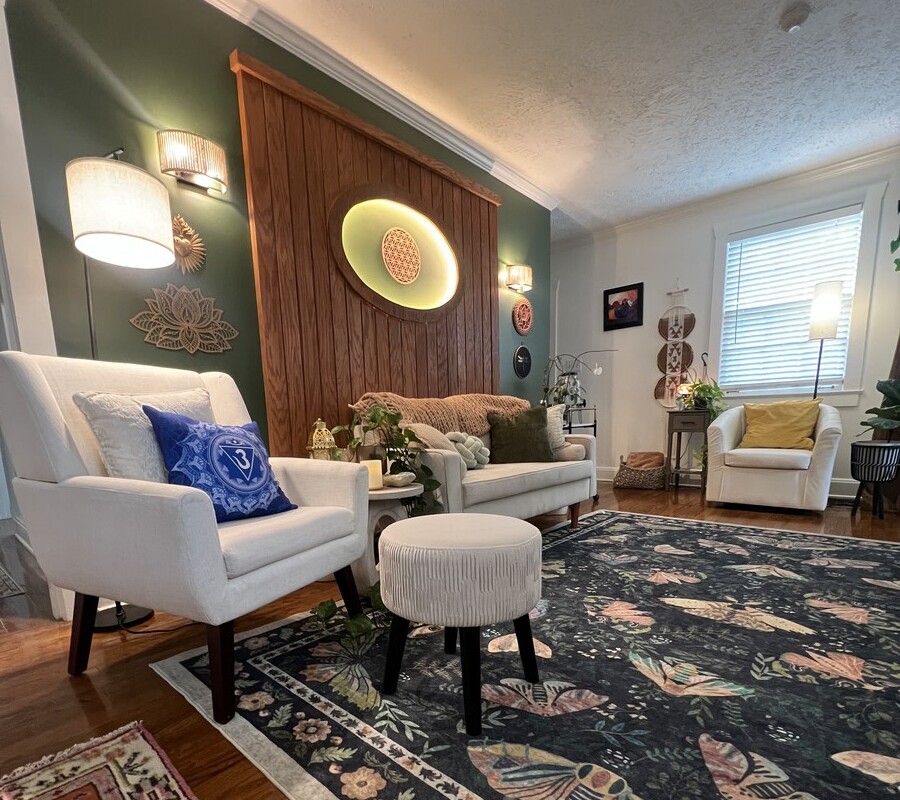
Each dosing session lasts about two and a half hours, and the medicine is active for roughly one hour of that time. You rest in a comfortable chair with an eye mask and music chosen for the experience, while your therapist stays present the whole time. You will need someone to drive you home afterwards.
4. Integration Sessions
Integration usually happens one to two days after each dosing session. This is where you process what surfaced and turn it into real-life change. Many of our clients say this is where the deepest shifts happen.
Psychedelic vs. Psycholytic Sessions
Not all KAP sessions look the same. Higher-dose sessions tend to feel more inward and expansive, with little talking while the medicine is active. Psycholytic sessions use a lower dose, so you stay able to talk and process with your therapist in real time. These sessions can be paired with Brainspotting, EMDR, or somatic work, which makes them well suited to direct trauma processing. Your therapist will help you decide which style fits your goals.
What Does KAP Feel Like?
Experiences vary from person to person. Some people notice a gentle sense of floating or distance from the body. Others report vivid imagery, memories, or strong emotion. Some feel a deep calm or a sense of connection they have not felt in years. Mild nausea or dizziness can happen and usually passes as the medicine wears off.
It helps to arrive without a fixed idea of what should happen. Part of the preparation work is learning to trust your own system and let the experience unfold with support.
Frequently Asked Questions
Is ketamine-assisted psychotherapy legal?
Yes. Ketamine is a legal medicine in the United States when prescribed by a licensed provider. In KAP, it is only prescribed after a medical evaluation.
How many sessions will I need?
Most people complete four to eight dosing sessions, each with preparation and integration support. Your therapist will shape the plan around your needs and pace.
Can KAP replace regular therapy?
KAP works best as part of ongoing therapy, not as a quick fix. The relationship with your therapist is what holds the work together.
Is KAP Right for You?
Choosing KAP is a personal decision, and it deserves a real conversation with someone trained in this work. At The Dragonfly Nest LLC, our therapists hold training in ketamine-assisted psychotherapy, psychedelic harm reduction, Brainspotting, and somatic therapy. We move at your pace and treat this medicine with care and respect.
If you are curious whether KAP could support your healing, reach out to our Nashville team to book a complimentary consultation. We would be honored to hold the space.